Jerus-It-Arts Winter School
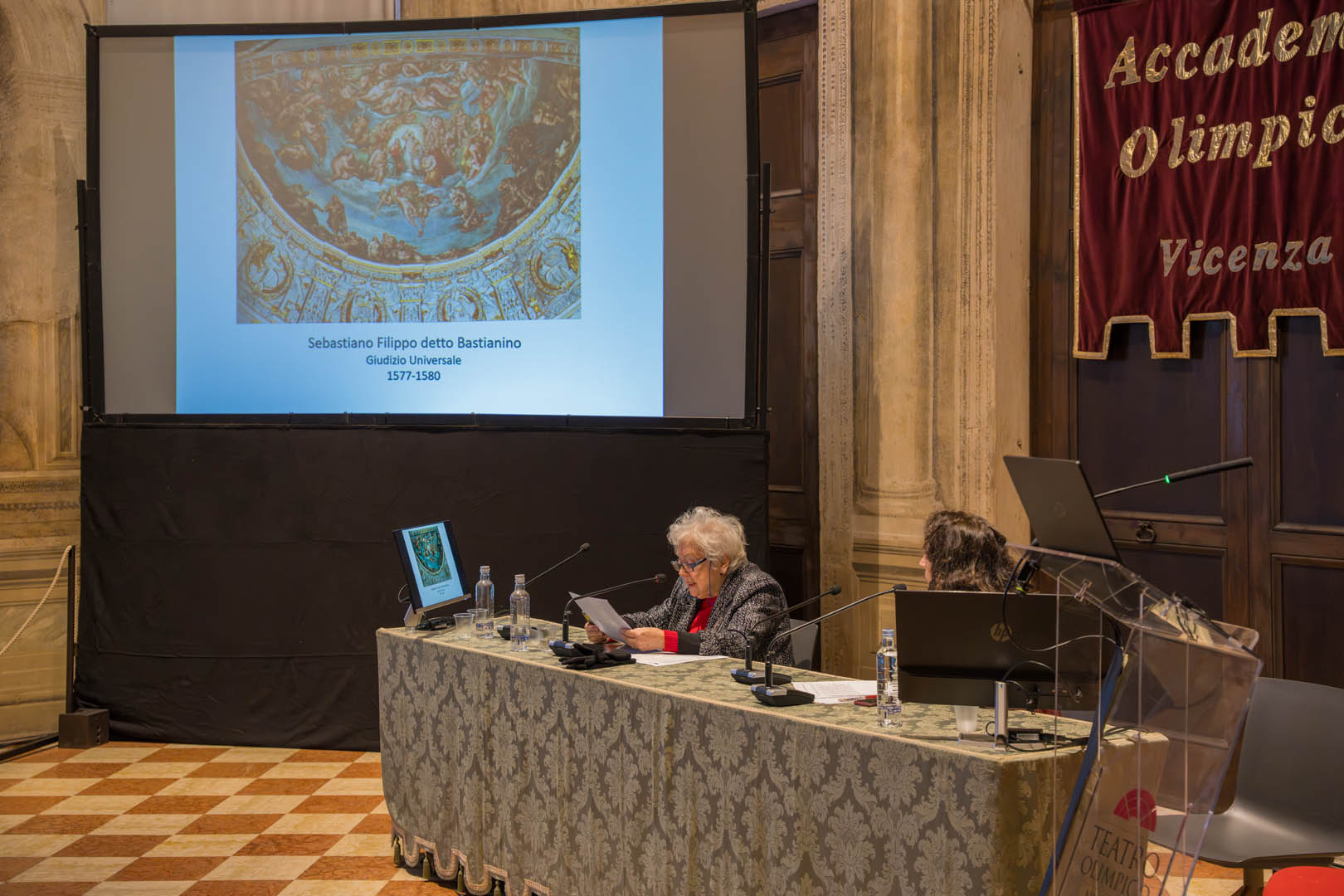
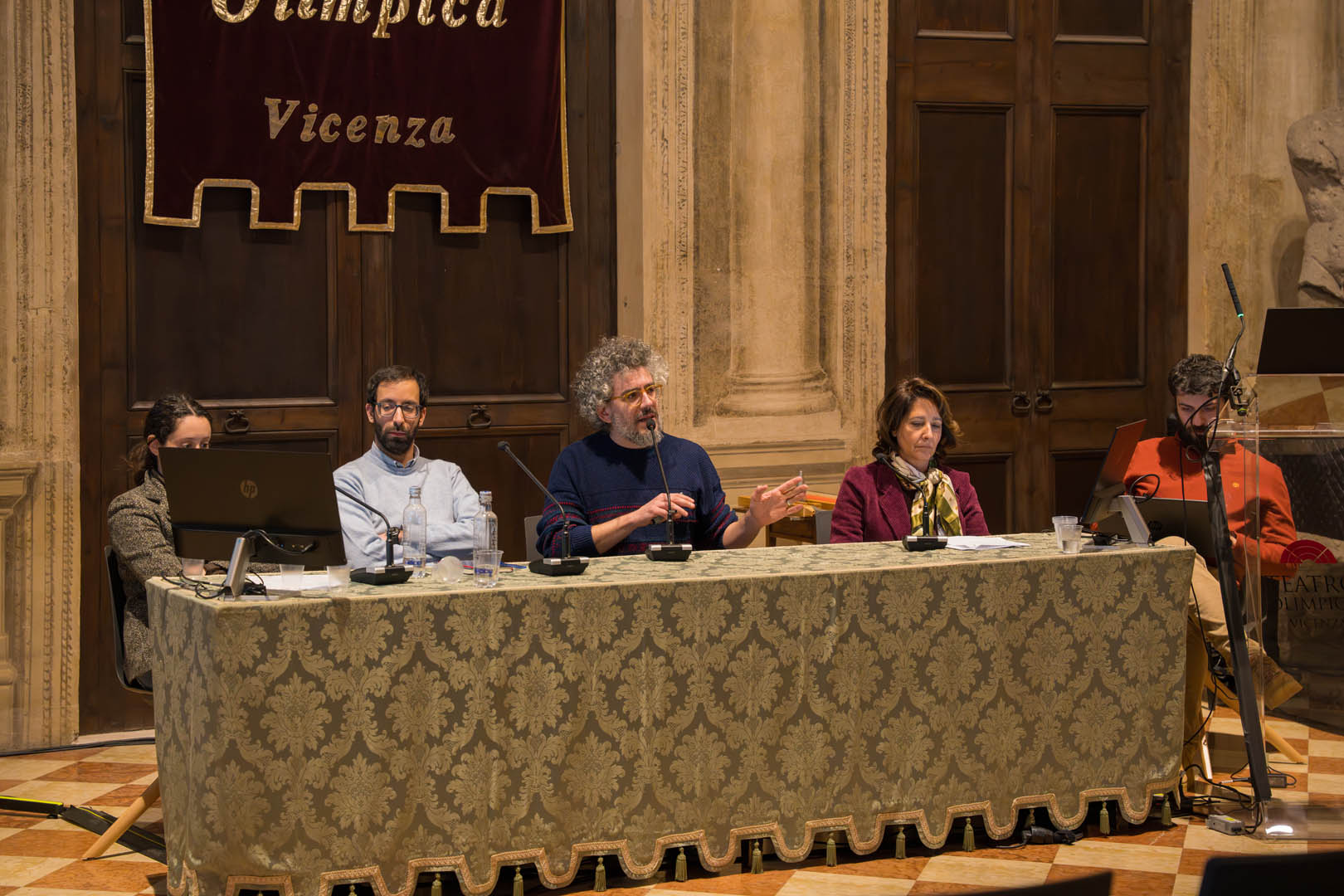
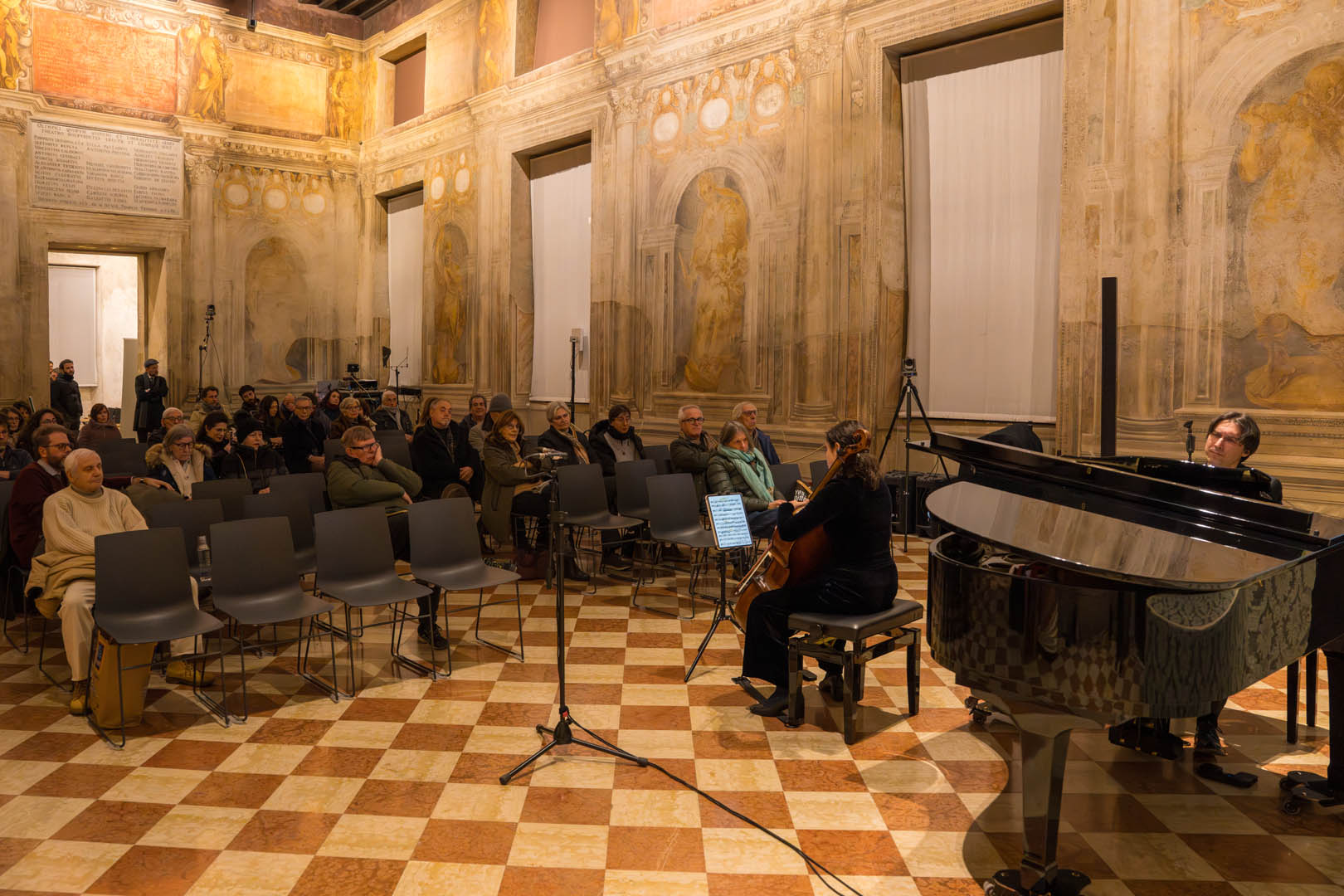
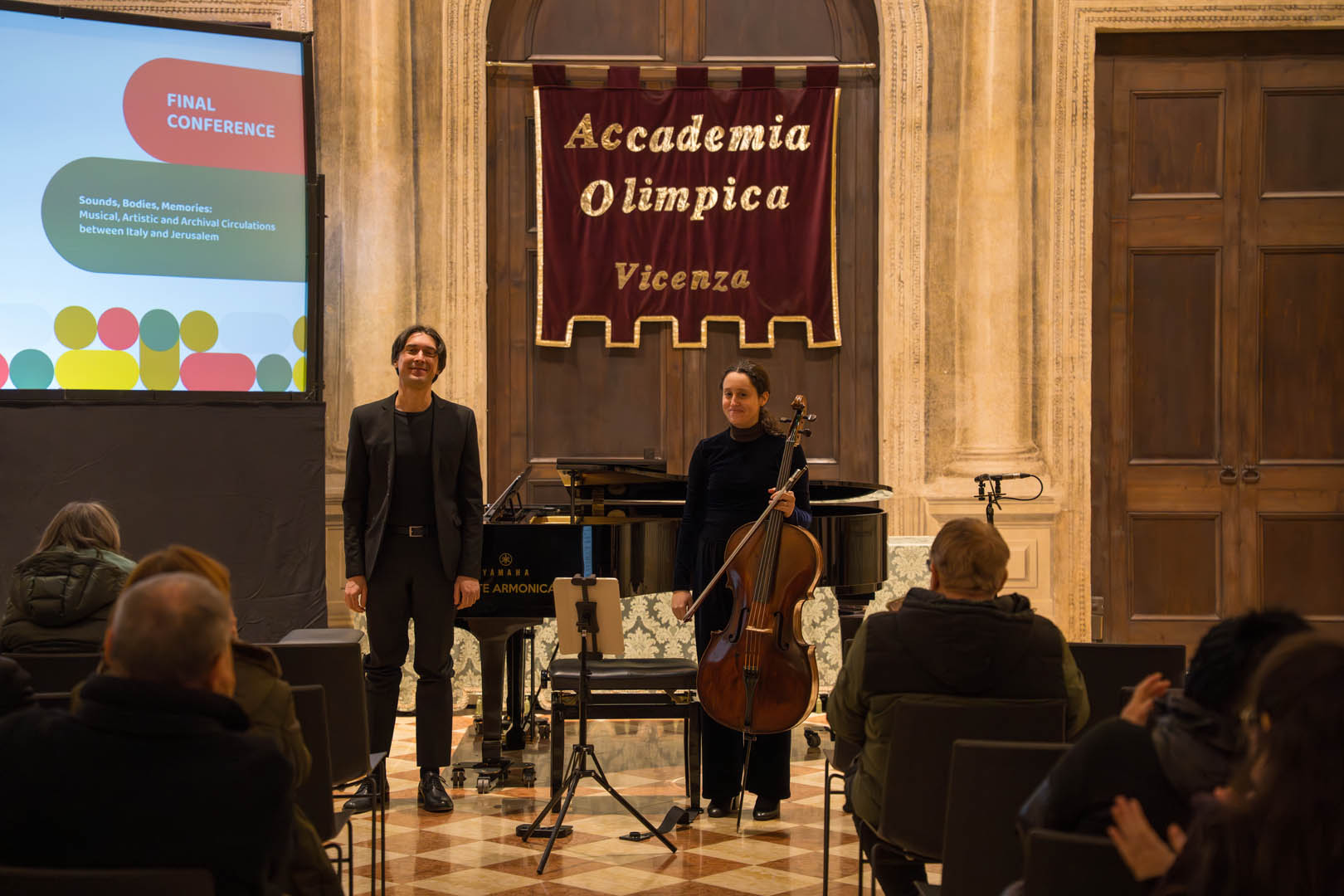
Odeo of the Teatro Olimpico, Vicenza
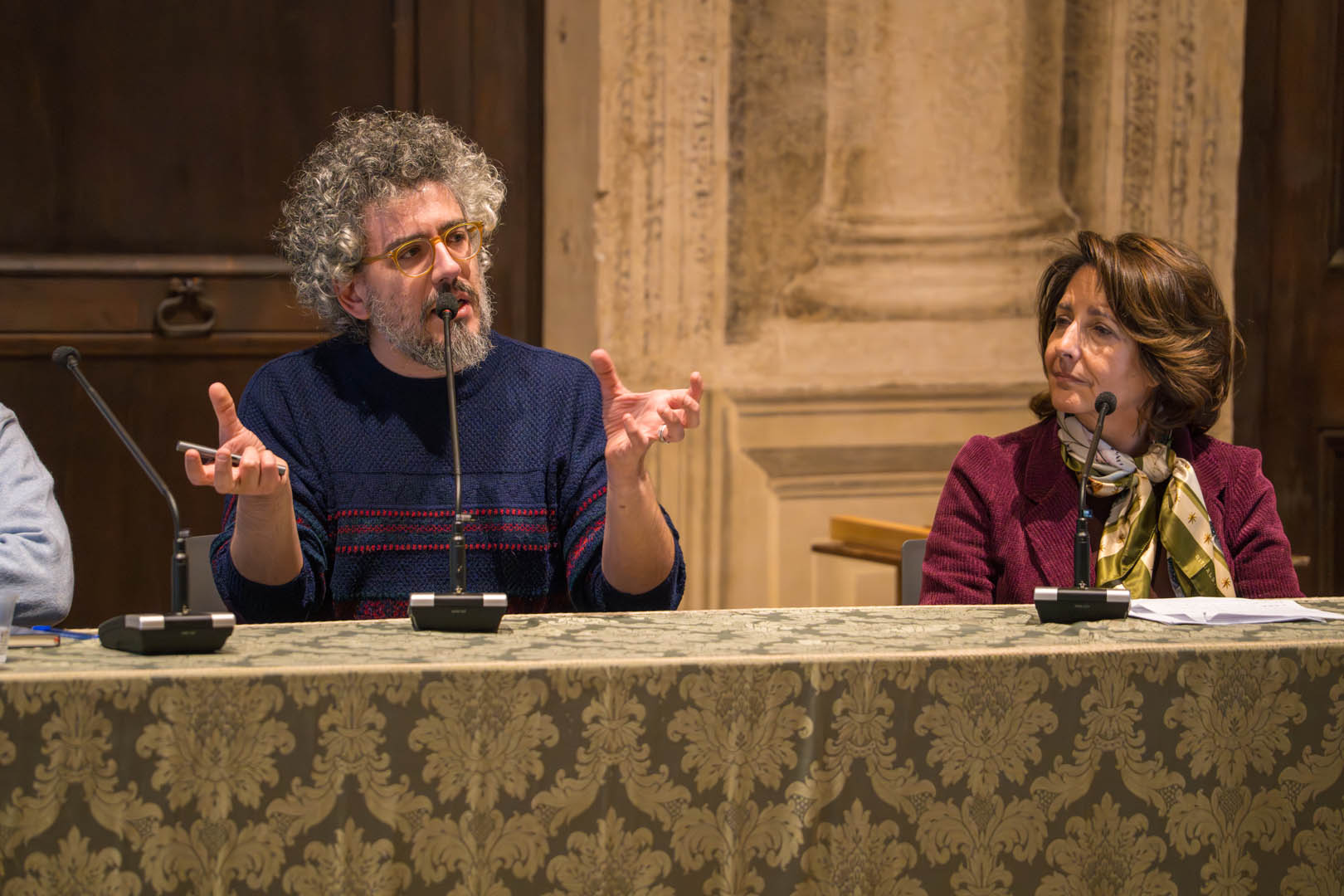
Chair: Donatella Pieri (Conservatorio di Musica di Bologna Giovan Battista Martini)
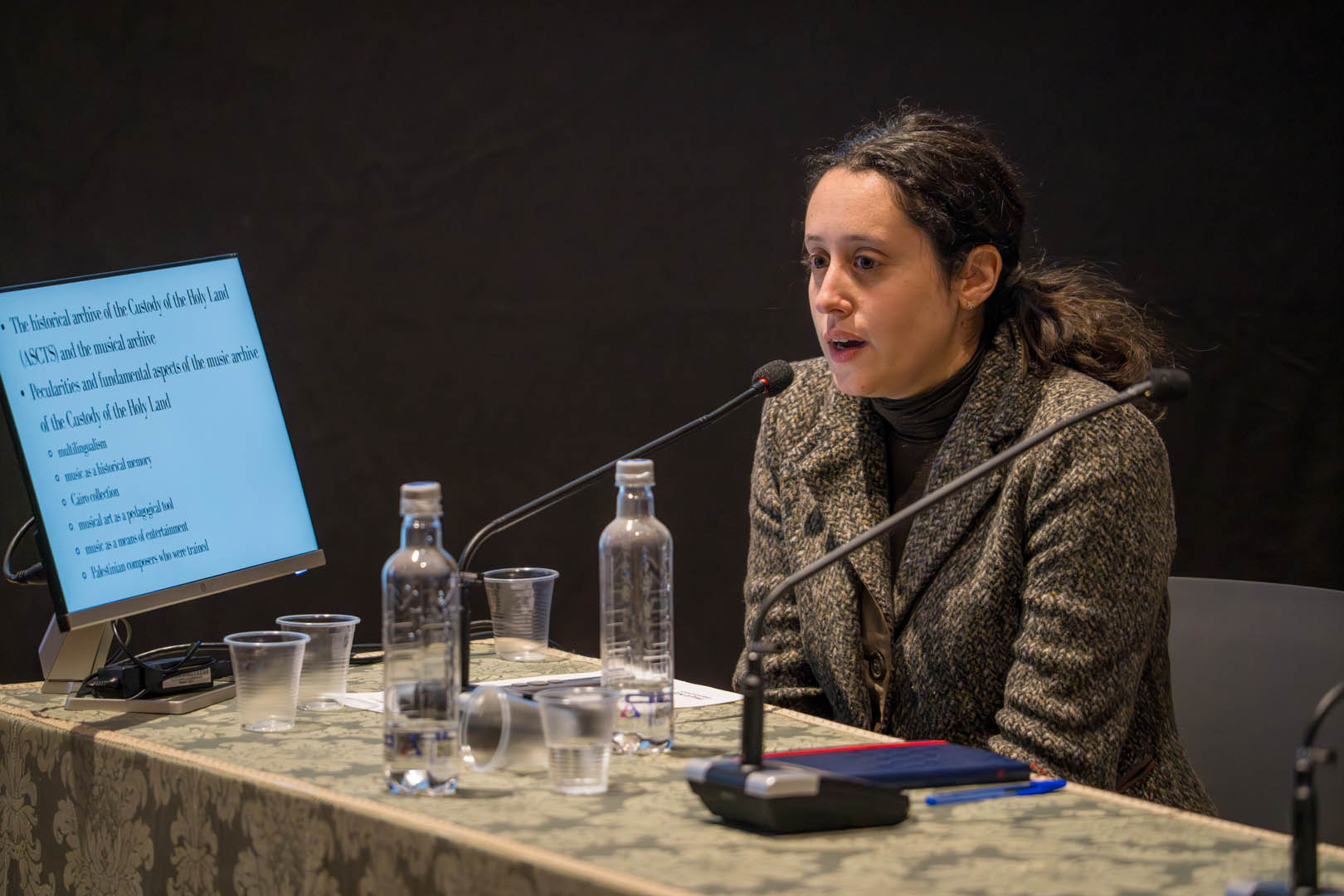
Lucia D'Anna (Università di Modena e Reggio Emilia)
The music archive of the Custody of the Holy Land at the Convent of S. Salvatore in Jerusalem
The article presents the music archive of the Franciscan Custody of the Holy Land in Jerusalem and considers its value as a historical source for Palestinian Christian musical life in the twentieth century. Based on the recent inventory of manuscript materials preserved at the convent of San Salvatore and other Franciscan institutions, it describes the organization of the archive and the range of repertories it contains. The article situates these materials within the liturgical life of the Custody, the musical activities of Franciscan orphanages, and the broader social history of Jerusalem during the Mandate period and its aftermath. Archival sources are complemented by a small number of interviews with individuals connected to musical practice in Jerusalem, which provide additional context for the use and transmission of this repertory. Through selected examples, including works by Augustine Lama, Salvator Arnita, and Yousef Kasho, the article shows how music functioned both as daily practice and as a form of historical testimony within a changing political landscape.
Matteo Di Cristofaro (Università di Modena e Reggio Emilia)
A Corpus Linguistics Workflow for Metadata and Discovery in Music Corpora
The presentation introduces a corpus-linguistic and natural-language-processing workflow designed for the heterogeneous, multilingual holdings of the JERUS-IT-ARTS archive. The archive materials—including chant books, polyphonic part-books, administrative ledgers and private letters—contain Latin, Italian, Arabic, Hebrew, Armenian, French, Greek, Spanish and English in varying orthographies and transliterations. Rather than targeting a single research question, the workflow is conceived as a flexible service layer that delivers reusable outputs for multiple scholarly and curatorial needs.
The workflow includes standardisation of character encodings, automatic language identification, script-specific tokenisation, lemmatisation and part-of-speech tagging. A rule-based module handles mixed-language passages and liturgical abbreviations. On this enriched layer linguistic analysis (e.g. keywords and collocation analysis)are run, the results of which are exported in three formats: (1) descriptive metadata fields suitable for catalogue ingestion (language, genre, liturgical function, named entities); (2) domain-specific lexica of refrain formulas, modal indicators and institutional titles; (3) network graphs linking people, places and themes across time.
Luciano Scarpaci (Conservatorio di Musica di Bologna Giovan Battista Martini e Università di Modena e Reggio Emilia)
A Tribute to La Gerusalemme distrutta: A Private Theatre and a Pisan 19th-Century Edition 'Printed by Firmino Didot'
The study takes as its starting point the 1807 Roman performance of La Gerusalemme distrutta (Jerusalem Destroyed, also known as The Destruction of Jerusalem), a sacred musical drama by Niccolò Antonio Zingarelli on a libretto by Antonio Simeone Sografi. It focuses on the context and reception of the private staging held at Casa Lante in Rome in 1807. From an interdisciplinary perspective, this event provides an opportunity to explore the intersections between sacred music and private performance, encomiastic writing and social celebration, collecting practices and historical-artistic interests, as well as cultural networks and prestigious typographical choices.
Basem Kharma (Università di Modena e Reggio Emilia)
Il ruolo della cultura e degli intellettuali nella causa palestinese: l'esempio di Wael Zwaiter
This paper examines the figure of Wael Zwaiter (1934–1972), a Palestinian intellectual and cultural mediator active in Italy, in order to explore the intersections of memory, political circulation, and artistic practices within the Mediterranean during the Cold War. Drawing on personal archives, interviews, and multimedia sources, the study reconstructs Zwaiter’s role in shaping a cultural and political identity capable of transcending national boundaries.
A passionate lover of poetry and translator of The Thousand and One Nights, Zwaiter was deeply involved in Rome’s cultural life and contributed to strengthening ties between Italian intellectuals and the Arab world, notably through the establishment of the Italian Committee of Solidarity with the Palestinian People. Following his assassination by the Mossad in 1972, his legacy continued to live on in the collective memory of the Palestinian diaspora in Italy, as evidenced by publications, exhibitions (including the 2007 Venice Biennale exhibition), and youth organisations bearing his name.
The memorial trajectories that have developed around Zwaiter demonstrate how bodies, sounds, and political symbols continue to circulate across the Mediterranean space, transforming his figure into an emblem of cultural resistance and transnational solidarity.
16:30 – Coffee break
Opera Cafè by Albachiara
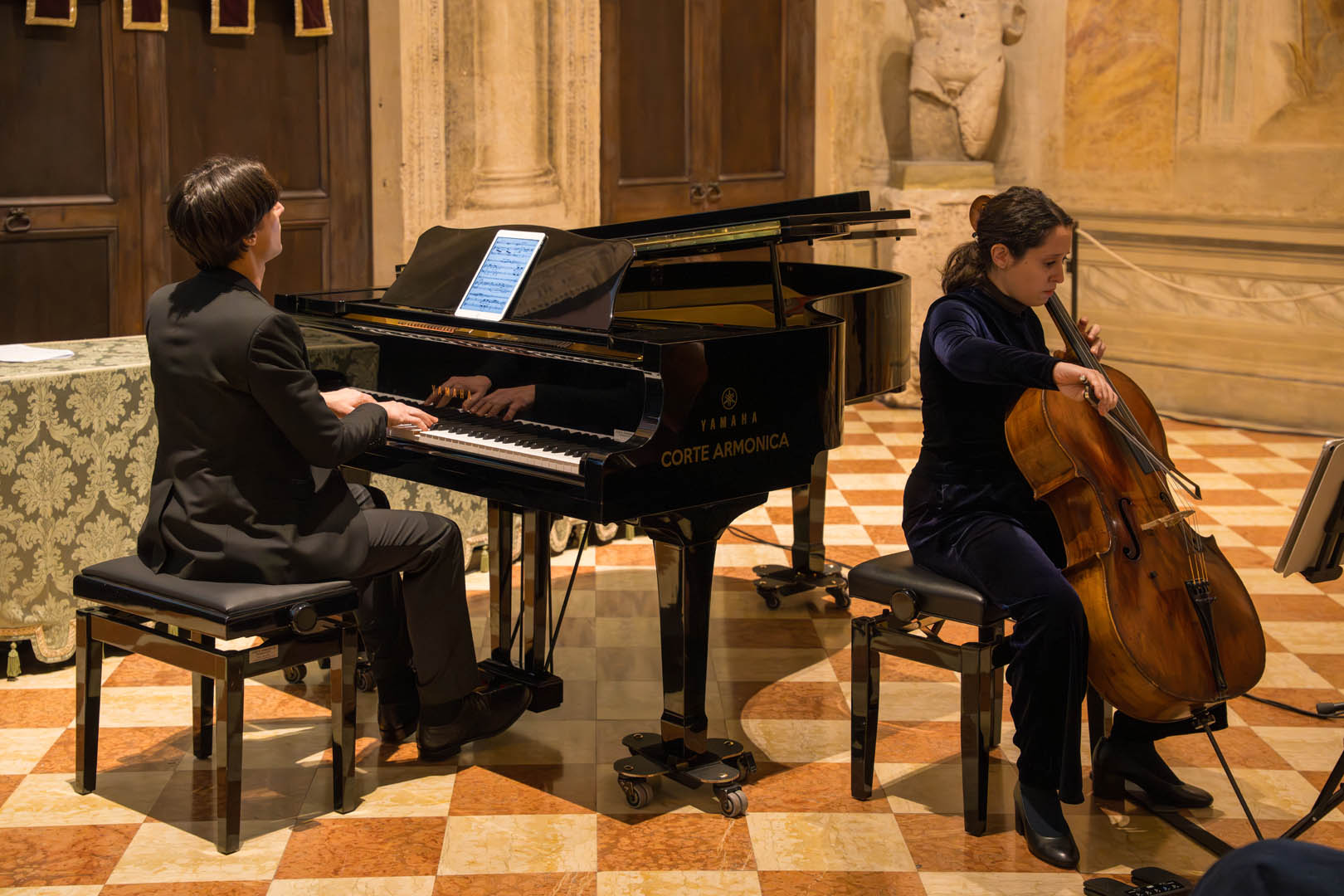
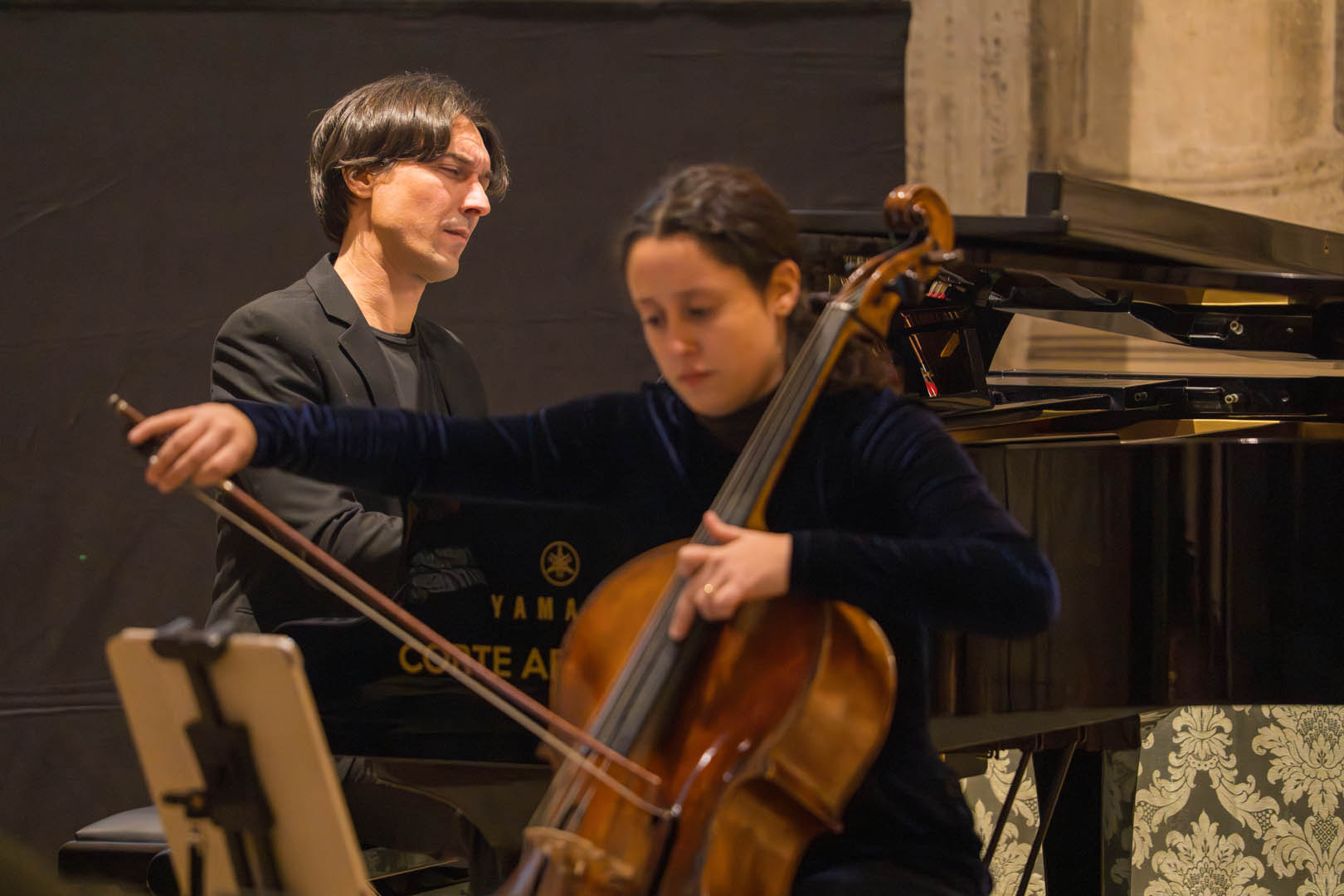
17:15 – Closing concert
Lucia D'Anna (cello) e David Peroni (piano)
Pathways of the Soul for Cello and Piano